Common access problems for loft rubbish removal in SE6
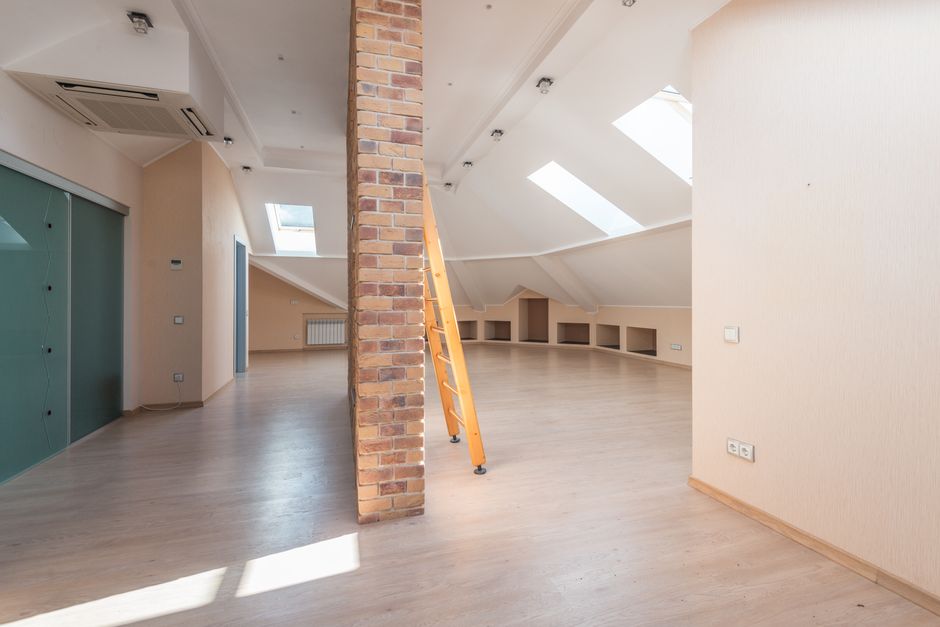
Loft clear-outs sound simple on paper: open the hatch, carry the rubbish down, load the van, job done. In real homes across SE6, it rarely goes that smoothly. Common access problems for loft rubbish removal in SE6 can slow everything down, make the work more awkward, and sometimes turn a straightforward clearance into a careful little puzzle. Narrow stairs, steep ladders, low rooflines, hatch obstructions, awkward parking, and fragile contents all play their part.
If you are planning a loft clearance in Downham, Bromley South side streets, or the tighter terrace layouts around SE6, the access issue is usually the real story. The rubbish itself is often the easy bit. What matters more is how it gets out safely, without damaging the home, stressing anyone involved, or turning the hallway into a chaos zone. This guide walks through the access problems people actually run into, how they affect the job, and what sensible planning looks like in practice.
There is a lot to think about, but once you know the main obstacles, the whole process gets less stressful. And honestly, that alone is a relief.
- Why access problems matter
- How loft rubbish removal works
- Key benefits of planning access properly
- Who needs this service
- Step-by-step guidance
- Expert tips for better results
- Common mistakes to avoid
- Tools, resources and recommendations
- Law, compliance and best practice
- Options and comparison table
- Case study example
- Practical checklist
- Conclusion
- Frequently asked questions
Why Common access problems for loft rubbish removal in SE6 Matters
Access is not a side issue. It is often the deciding factor in whether loft rubbish removal feels efficient or awkward, affordable or unexpectedly time-heavy. In SE6, many properties have older layouts, compact staircases, or lofts that were never designed for regular bulk movement. That means even a modest amount of waste can become fiddly if the route out is tight.
When access is poor, several things happen. Workers may need to move slower. Items may need breaking down before removal. Protective measures may need to be added to stairs, banisters, and floors. In some cases, a second person is needed just to steady awkward items. That can affect the time required, the level of manual handling risk, and the price estimate. Not always, but often enough that it is worth discussing early.
There is also the question of damage. A loft clearance often involves moving dusty boxes, broken furniture, old carpet rolls, suitcases, insulation scraps, and the odd mystery item no one wants to open. If the access route is tight, all of that has to pass through the house. One careless scrape on a painted wall or one heavy box dropped on a stair edge can become a nuisance you really did not need.
And let's be fair, nobody wants a simple tidy-up to end with a cracked plaster corner and a sore back.
A proper access check is especially useful where loft rubbish removal forms part of a larger project, such as a home clearance or pre-move declutter. It helps set expectations, avoid rushed decisions, and plan whether the items can be carried through the property or need another removal strategy. If you are comparing full property clearance options, a related service such as house clearance can sometimes be a better fit when the loft is only one part of a wider job.
How Common access problems for loft rubbish removal in SE6 Works
In practice, loft rubbish removal starts with the access route, not the rubbish pile. A good operator will look at how the loft is reached, how the waste gets down, and where it exits the property. That sounds obvious, but the details matter. Is there a fixed staircase or a folding loft ladder? Is the hatch large enough for boxes and furniture fragments? Are there turns, low beams, or narrow landings along the route?
The work usually follows a simple logic:
- Assess the loft opening, ladder or stairs, and the route through the home.
- Check the kind of waste present and whether it can be carried intact.
- Decide whether items need sorting, bagging, or dismantling before moving.
- Protect the route with coverings if necessary.
- Remove the waste in manageable loads, not oversized armfuls.
- Load the van, then sweep up loose debris where needed.
Where access is straightforward, the whole job may feel remarkably tidy. Where access is awkward, the process slows down and becomes more controlled. That is not a bad thing. In fact, it is usually the safer way to do it. Rushing a bulky suitcase down a narrow stairwell is how people end up swearing under their breath and blaming the staircase for existing in the first place.
SE6 properties can vary a lot. Some lofts are over terraced homes with standard stairs and decent headroom; others have narrow entrances, tight hallway bends, or shared side access that is not much help at all. The point is to match the removal method to the property, rather than forcing the property to fit the job.
If the loft contains heavier items, old appliances, or awkward mixed waste, a broader rubbish removal service may make more sense than trying to treat everything as a simple bag-and-carry exercise. In those cases, waste removal can be a more flexible option because it handles a wider mix of material and access conditions.
Key Benefits and Practical Advantages
Getting the access plan right brings benefits that are more practical than glamorous, but they matter a lot. It saves time. It reduces the chance of accidental damage. It lowers physical strain. And it makes the whole experience feel far less intrusive inside the home.
Here are the main advantages people notice:
- Fewer delays: When the route is measured and understood, there are fewer surprises on the day.
- Lower risk of damage: Hallways, stairs, bannisters, and loft hatches stay better protected.
- Safer handling: Smaller, planned loads are easier to carry and control.
- Cleaner finish: A better-organised clearance usually leaves less dust and debris behind.
- More accurate quoting: A realistic view of access helps avoid awkward add-ons later.
- Less stress for the homeowner: You know what is happening, where, and why.
There is also a hidden benefit: better access planning tends to improve communication. People stop guessing. The clearance team can say, "Right, this mattress won't turn on that landing, so we'll split it down first," instead of discovering the problem halfway through the job. Small thing, big difference.
If you are already thinking about turning the loft into something more usable, a careful clearance can help set up the next stage neatly. Some homeowners use the chance to tidy the rest of the home too, which is where services like home clearance become useful for a wider reset rather than a single-room job.
Who This Is For and When It Makes Sense
This topic is relevant if you live in SE6 and have a loft that needs clearing, especially where the access is not exactly generous. It makes sense for homeowners, landlords, tenants at the end of a tenancy, families sorting out a relative's property, and anyone preparing for renovation or insulation work. If the loft has become the place where old boxes go to vanish, you will probably recognise the pattern.
It is also useful when:
- the loft ladder feels shaky or awkward to use
- the hatch is small and the opening limits what can pass through
- stairs are steep, narrow, or badly lit
- the loft contains mixed rubbish rather than just one type of item
- you are worried about carrying dusty or fragile things through the house
- the property has shared access, tight parking, or limited entry space
To be fair, lots of people leave loft jobs until the last minute because the loft is out of sight. Out of sight, out of mind, until the insulation work is booked or a move-out date suddenly looms. Then the access issue becomes very real, very quickly.
This is also the stage where people realise that not all loft jobs are equal. A few bags of old clothes are one thing. A jumble of furniture parts, suitcases, flooring offcuts, and random storage boxes is another. When access is difficult, even modest waste volumes can need a more measured plan.
Step-by-Step Guidance
If you want the least stressful route, treat the loft clearance like a mini project. Here is a sensible order of operations.
1. Look at the route before touching the rubbish
Check the hatch, ladder, staircase, hallway turns, and door widths. If there is low headroom on the landing or a tight corner by the bathroom door, note it. It sounds obvious, but the problem is often not the loft itself. It is the bit between the loft and the front door.
2. Sort the waste into practical groups
Box-like items, bagged light waste, furniture, fragile keepsakes, and anything potentially hazardous should not all be handled the same way. If possible, keep pass-through items together and separate anything awkward or breakable. This makes the loading sequence cleaner and safer.
3. Measure or estimate anything bulky
If there is a mattress, wardrobe panel, shelving unit, or large trunk, think about whether it can physically turn the corner on the stairs. In some homes, an item can fit through the hatch but still fail on the landing. That is a classic one.
4. Decide what needs dismantling
Some loft items are better removed in parts. A flat-pack wardrobe may need to be broken down. A bed frame might be easier to carry as separate pieces. Removing items in sections can save a lot of effort and avoid scuffing the walls.
5. Protect the route
Use floor coverings, blankets, or other protective materials where appropriate. This is particularly helpful if the stairs are painted, carpeted, or narrow. The aim is not to wrap the house in bubble wrap like a Christmas present. Just sensible protection where the route is tight.
6. Remove in stages, not all at once
Start with lighter, easier items and build up to the larger pieces. That keeps the path clearer and makes the process less tiring. It also helps identify hidden access issues before the biggest item is halfway down the stairs.
7. Finish with a quick sweep and check
Once the waste is out, do a final check for loose debris, nails, splinters, dust, and forgotten scraps. The loft and access route should be left in a condition that feels tidy rather than merely emptied.
Expert Tips for Better Results
After enough loft clearances, a few patterns become obvious. The jobs that go smoothly are usually the ones where someone thought about access early. Not brilliantly early, just early enough.
Use the loft hatch as your first measurement point. If an item does not clear the opening comfortably, it will be awkward no matter what happens later. That is where people often underestimate the challenge.
Keep the landing clear. A landing piled with shoes, baskets, or spare furniture adds avoidable friction. Small obstruction, big annoyance.
Have a bin bag or box system ready. It is much easier to move organised loads than loose mixed debris. Dusty loose stuff tends to spread itself around. Brilliantly unhelpful.
Be honest about weight. A box full of books is not the same as a box of old duvets. The difference matters, especially on stairs and around bends.
Ask about insurance and handling practices. This is less about fear and more about calm confidence. You want to know the team is prepared for tight access and knows how to protect the home.
Think about the wider clearance picture. If the loft is part of a full property sort-out, a service like flat clearance may be relevant where the route, volume, or layout is more like a compact internal clearance than a simple one-off waste pickup.
One practical tip that saves time: take a couple of photos before the job starts. A quick look at the hatch, stair angle, and landing can make planning much easier. Even in dull morning light, those details matter more than you might expect.
Common Mistakes to Avoid
Most access problems are manageable. The trouble usually starts when they are ignored or underestimated. Here are the mistakes that cause the most grief.
- Leaving access checks until the van arrives. By then, it is too late to plan properly.
- Forcing oversized items down narrow stairs. That is how walls get marked and backs get strained.
- Assuming all loft waste is light. Books, tiles, old tools, and boxed paperwork can be heavier than they look.
- Failing to protect the route. A few minutes of preparation can save a lot of annoyance later.
- Mixing everything together. Mixed loads are harder to move and slower to handle.
- Overlooking parking and loading space. If the vehicle cannot get close enough, the carry distance grows fast.
- Not mentioning awkward access in advance. If there is a tight ladder, say so. It helps everyone.
Truth be told, the biggest mistake is often optimism. People look at the loft, shrug, and think, "How hard can it be?" Then the first box gets stuck by the staircase turn and the mood changes instantly. Happens all the time.
Tools, Resources and Recommendations
You do not need a workshop full of specialist kit, but the right basic tools help a great deal. Here is what usually makes loft rubbish removal easier in practice.
| Tool or resource | What it helps with | Why it matters |
|---|---|---|
| Strong gloves | Handling dusty or rough items | Improves grip and protects hands |
| Dust sheets or floor coverings | Protecting stairs and hallways | Reduces scuffs and makes cleanup easier |
| Sturdy sacks or boxes | Moving smaller loads | Keeps waste organised and easier to carry |
| Head torch or good lighting | Seeing into dark loft spaces | Makes sorting safer and more accurate |
| Screwdriver or basic dismantling tools | Breaking down bulky items | Can solve access problems fast |
| Measuring tape | Checking hatch and item sizes | Helps avoid surprises on narrow routes |
For households with broader clearance needs, it can also help to look at the type of rubbish being removed. If you are dealing with mixed household clutter, old furniture, or heavier household waste, a specialist page such as furniture clearance may offer a better fit for planning what can be taken and how.
Another useful reference point is what can safely be loaded with other types of waste. Some people use skip guidance as a rough way to think about mixed waste types. A page like what can go in a skip can be helpful for understanding waste categories, even if your job is not skip-based at all.
Law, Compliance, Standards, or Best Practice
When loft rubbish removal is awkward, the instinct can be to focus only on speed. But compliance and safety matter too. In the UK, waste should be handled responsibly, and any professional service should be able to explain how waste is carried, sorted, transported, and disposed of in line with normal legal and environmental expectations.
For householders, the most practical point is simple: do not put yourself or anyone else at unnecessary risk. If access is poor, the job should be adapted to the space rather than forced through it. Manual handling is a real issue, especially on steep stairs or in cramped loft spaces. Good practice means lifting sensibly, not twisting under load, and using safer methods for anything heavy or awkward.
Insurance is worth asking about too. If an item brushes a wall or a stair rail gets marked during removal, it is better to know that the work was covered by suitable arrangements. That is not being fussy. That is just sensible.
There is also the matter of waste segregation. Some lofts contain items that should be treated with extra care, such as old electronics, paint tins, broken glass, or anything potentially hazardous. Those items should not simply be bundled in with general rubbish. If hazardous waste is suspected, it should be handled separately and carefully. A dedicated page like hazardous waste disposal is relevant where the loft contains materials that need more cautious treatment.
Best practice, in plain English, means being honest about access, choosing the right method, and avoiding shortcuts that create damage or risk. Simple enough. Not always easy, but simple enough.
Options, Methods, or Comparison Table
There is more than one way to handle loft rubbish removal in a property with awkward access. The best choice depends on the volume, weight, route, and how much disruption you are prepared to live with for an hour or two.
| Method | Best for | Pros | Limitations |
|---|---|---|---|
| Bagged hand removal | Light, loose loft clutter | Simple, tidy, flexible | Not ideal for heavy or bulky items |
| Dismantle-and-carry | Bulky furniture or awkward shapes | Solves narrow access issues | Takes longer and needs tools |
| Staged clearance | Mixed waste and limited access | Controlled and safer | May take more planning |
| Full property clearance approach | Loft plus other rooms | Efficient for larger jobs | Can be more involved than a simple loft-only pickup |
If the loft job overlaps with a bigger house tidy-up, a more complete clearance route can actually be more efficient. In some cases, a loft clearance service is the cleanest fit because it is built around exactly this kind of access challenge rather than treating the loft as an afterthought.
The right method is not always the fastest on paper. Sometimes the best approach is the one that avoids damage, especially where staircases are narrow or the loft opening is a tight squeeze. That small bit of patience tends to pay for itself.
Case Study or Real-World Example
Consider a typical SE6 terrace with a small loft, a folding ladder, and a narrow stairwell that turns sharply at the top. The loft contains old books, broken boxes, a bedside cabinet, a small chest of drawers, and some mixed soft waste. Nothing outrageous. But each item presents a different access issue.
The books are heavy, so they cannot be bundled into oversized sacks. The cabinet will not turn neatly on the landing unless it is dismantled. The loose boxes are dusty and awkward, so they need sealing before they are moved through the hallway. The ladder is stable enough, but the hatch opening is just wide enough to demand careful handling.
In a job like this, the sensible approach is to sort the lighter items first, protect the stairs, dismantle the cabinet, and move everything in smaller loads. That may sound slower, but it is often faster overall because nobody has to stop and rethink halfway down the stairs. The house stays cleaner, the route stays safer, and the removal feels calmer.
A small detail from jobs like this: people are often surprised by how much dust sits on the loft joists and old boards. It is one of those things you only really notice when a torch beam hits it at 8.30 in the morning and suddenly the whole space looks older than you remember. A bit unromantic, but very real.
Practical Checklist
Use this checklist before any loft rubbish removal in SE6. It keeps the job grounded and helps spot access issues early.
- Check how the loft is reached: hatch, ladder, fixed stairs, or pull-down access.
- Measure the narrowest points on the route if anything bulky needs to come down.
- Clear the landing and hallway of anything that could block movement.
- Sort waste into light, heavy, bulky, fragile, and potentially hazardous groups.
- Decide whether large items need dismantling before removal.
- Protect floors, stairs, and bannisters where the route is tight.
- Confirm parking or loading access close to the property if possible.
- Tell the removal team about steep stairs, low ceilings, or awkward bends in advance.
- Keep a torch, gloves, bags, and basic tools ready if you are helping with the sort-out.
- Do a final sweep of the loft and the access route once everything is out.
If you can tick most of those off before the job starts, you are already ahead of the game. Not by a little, either.
Conclusion
Common access problems for loft rubbish removal in SE6 are usually less about the waste and more about the route out of the property. Tight stairs, small hatches, low headroom, awkward turns, and bulky items all affect how smoothly the job goes. The good news is that most of these issues can be managed with a little planning, the right tools, and a realistic approach to what will fit, what should be dismantled, and what needs extra care.
If there is one practical takeaway, it is this: do not leave access as an afterthought. A few minutes spent checking the loft route, clearing the landing, and grouping the waste properly can save a lot of time and frustration later. And yes, it can save the walls too.
Get a free quote today and see how much you can save.
When the job is planned properly, even an awkward loft can become just another thing ticked off the list. And that feels pretty good, truth be told.
Frequently Asked Questions
What are the most common access problems for loft rubbish removal in SE6?
The most common issues are narrow staircases, small loft hatches, steep ladders, low ceilings, tight hallway turns, and limited parking close to the property. These are the things that usually slow the job down.
Can loft rubbish removal be done if the hatch is very small?
Sometimes yes, but it depends on the size and shape of the waste. Small hatches often mean items need to be bagged, broken down, or removed in parts. Large furniture is much trickier.
Do access problems make loft clearance more expensive?
They can, because difficult access may take more time, more labour, or more care to protect the property. Not every awkward loft increases the cost, but it is definitely something to mention early.
Should I empty the loft myself before booking a removal?
Only if you can do it safely. It is usually better to sort through the space a little first, separate anything fragile or valuable, and leave the heavier lifting for the removal team.
What should I do if the loft ladder feels unsafe?
Do not force the issue. If the ladder is unstable, damaged, or difficult to use, tell the service provider before the job. Safety comes first, and a different access method may be needed.
Can awkward access affect how long the job takes?
Yes, very often. A clear route and a roomy hatch make the job faster. Narrow stairs, bulky items, or a long carry to the vehicle usually mean the work takes longer.
What kinds of items are hardest to remove from a loft?
Large furniture, boxed books, broken flat-pack pieces, old suitcases, and awkward long items like curtain poles or shelving are usually the hardest to manoeuvre through tight access.
Do I need to separate hazardous items from general loft waste?
Yes, that is the sensible approach. Items such as old paint, certain chemicals, and some electronics should be handled separately and with care rather than mixed into general rubbish.
How can I prepare a SE6 property for loft rubbish removal?
Clear the landing, check the ladder or hatch, sort the items into manageable groups, and note any narrow turns or low ceilings. A quick photo of the route can also help with planning.
Is loft rubbish removal different from general house clearance?
Yes. Loft clearance often involves tighter access, more dust, and a greater chance of bulky items in awkward spaces. General house clearance usually deals with easier internal routes, though the two can overlap.
What if the loft waste includes furniture and mixed clutter?
That is very common. Mixed loads usually need more planning, especially if furniture has to be dismantled or carried carefully through tight stairwells. A furniture-related service may help if the bulky items are a big part of the job.
How do I know whether my loft access is too awkward for a standard clearance?
If you are unsure, look at the hatch size, staircase width, landing turns, and the size of the largest item. If any of those look borderline, it is worth describing the layout in detail before the job is booked.