Commercial Waste Removal in Downham

Commercial waste removal in Downham is a practical service for businesses that need regular, one-off or project-based clearance of unwanted materials. We handle mixed workplace waste with an emphasis on orderly loading, sensible segregation and lawful disposal routes, so offices, shops, hospitality venues and trade premises can clear space without turning the task into a disruption. The service can be shaped around routine collections, end-of-tenancy clear-outs or occasional bulky items that need removing quickly and carefully.
Our approach is built around usable outcomes: waste is collected, removed and taken on through the most appropriate route for the material involved. That may include general commercial rubbish, office contents, packaging, worn furniture or other non-hazardous items that have reached the end of their useful life. For businesses comparing options, the value is in keeping the process straightforward and making sure the work is handled in a way that suits the site, the access and the type of waste being dealt with.
Use the pages on this site to explore the main service areas, then request a quotation when you are ready to plan the work. If your business needs a clear-out, a scheduled collection or a one-off removal, we can help you work out the most suitable route. A short description of the load, the access and the timing usually makes it easier to match the job to the right service.
Office and business waste clearance
Office and business waste clearance covers the kind of material that builds up when workplaces reconfigure desks, replace furniture, move files or refresh storage. It can include desks, chairs, shelving, general paperwork to be disposed of securely, archive material and miscellaneous items that are no longer required. For many commercial sites, the aim is to clear the area without disturbing the rest of the day’s activity, so the work has to be planned around entrances, lifts, loading points and shared spaces.
Where equipment or contents are mixed together, the removal process works best when items are sorted at source into broad categories. That makes it easier to separate reusable or recyclable material from general waste and to avoid unnecessary handling. It also helps when access is limited, because clear information about lifts, stairways, floor levels and collection points reduces delays and keeps the job moving in a sensible order. If you already know the kind of items involved, it is usually worth preparing a short note before you ask for a price.
What is typically included
Common office and business collections may involve cleared-out desks, broken chairs, filing units, packaging, unwanted stationery, archived paper and other non-hazardous workplace items. Some businesses also need removal of mixed contents after a relocation, refurbishment or downsizing. When that happens, the work can be paced to fit around the site’s schedule so that the clearance does not interfere with staff, customers or contractors. Office clearance is a useful starting point when the items come mainly from workstations or administrative spaces.
Bulky item and furniture disposal

Bulky commercial items need a different approach from light waste because they are heavier, awkward to carry and more likely to require careful movement through doorways and corridors. Furniture disposal often includes reception seating, tables, cabinets, shelving, display units and similar contents from business premises. The main objective is to remove these pieces cleanly and safely while keeping the remaining workspace usable, whether the job is part of a refit or a straightforward clear-out.
When furniture is no longer suitable for reuse, the disposal route depends on the material, the size and the condition of the item. Wooden, metal and upholstered pieces may each need slightly different handling, and the presence of glass, fixed fittings or electrical parts can change the approach. Our service is designed to take those practical differences into account rather than treating everything as the same kind of load. That keeps the work organised and helps the customer understand what can be removed together and what may need separate attention.
Useful choices for larger items
For premises that are replacing office fit-outs, waiting room furniture or shop fittings, it is sensible to decide early whether a few bulky pieces or an entire room’s contents need removing. A clear scope makes planning easier and helps avoid unnecessary visits. You can look at furniture disposal when the main requirement is the removal of individual items, or use furniture clearance when the job involves a broader set of furnishings from one area.
Shop, storage and garage clearances
Commercial premises often accumulate items that are not quite office waste but still need to leave the building in an organised way. That might include boxed stock, obsolete fittings, cleaning stores, mixed storage contents or items kept back in back-of-house rooms. Garage-style or storeroom clearances can be especially useful where businesses have outgrown their storage systems and need the area made usable again. The work is most effective when the contents are assessed in categories rather than tipped into one undifferentiated pile.
In practical terms, the best approach is usually to separate what should stay, what can be recycled and what is due for disposal before the clearance begins. That is particularly helpful if the room contains a mix of business records, packaged goods, spare equipment and general rubbish. A focused removal plan saves time on site and makes it easier to decide how the material should be loaded and handled. If the job is mainly confined to a single store room, you may find garage clearance relevant, while broader storage clean-outs can be grouped with home clearance style work when the contents are mixed and domestic in character.
- Separate retain, recycle and remove items before the team arrives.
- Identify any fragile, heavy or awkward contents in advance.
- Note whether the clearance area has stairs, lifts or restricted access.
Waste handling for refurbishments and strip-outs
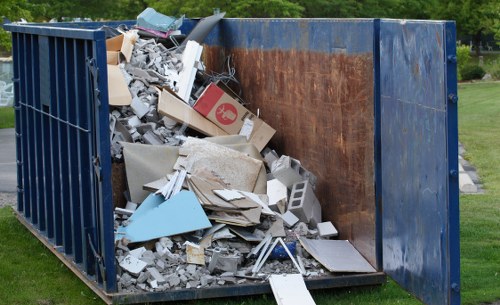
Refurbishment work can create a steady stream of waste, including broken fixtures, packaging, offcuts, old fittings and dismantled materials that do not suit ordinary bin collections. Commercial waste removal is often a better fit for this kind of work because it can be tailored to the volume and the make-up of the load. The aim is to clear what the project has generated without leaving the site crowded with debris or forcing the customer to piece together several separate solutions.
Where builders’ debris is involved, the loading process should reflect both the weight and the composition of the material. Timber, plasterboard, metals and mixed rubble each behave differently during collection and disposal, so the most efficient route depends on what is actually present. This is why it helps to describe the work accurately instead of simply saying that a space needs clearing. If you are planning a commercial strip-out, builders waste clearance gives a focused route for construction-related material.
Other projects create waste from successive stages rather than a single event. A phased office redesign, for example, may generate different items each week as rooms are emptied, refitted and reopened. In those situations, the service can be timed to suit the sequence of work, rather than forcing the site to wait until everything is complete. That is one reason many business owners prefer a removal arrangement that can adapt to the project rather than a one-size-fits-all collection.
About Downham
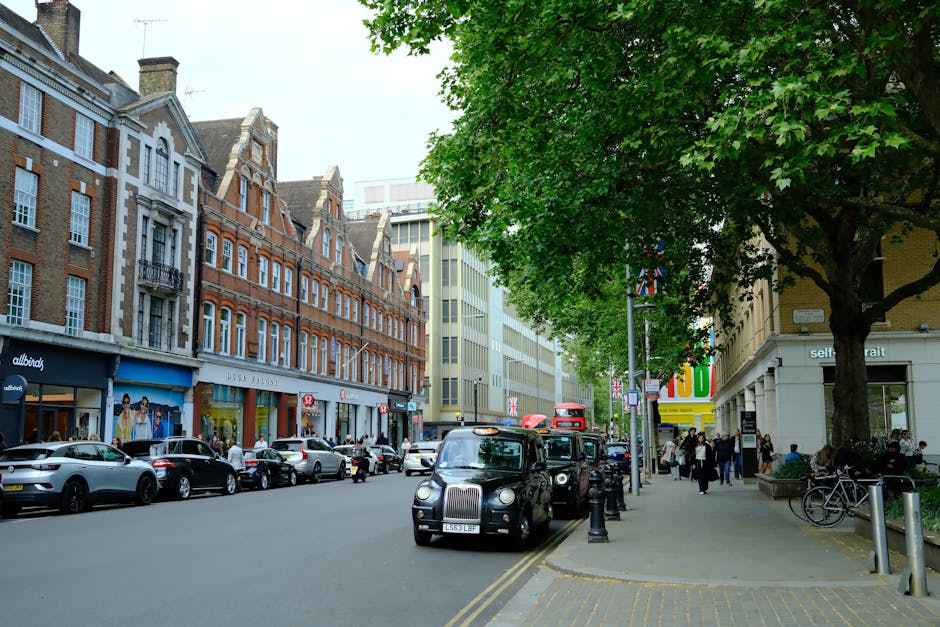
Downham is a name used for different places in England, but the best-known Downham in London lies in the London Borough of Lewisham, close to Bromley and Beckenham. It developed significantly in the interwar period, when large-scale suburban housing expanded across land that had previously been more open in character. The area is now recognised for its estate layout, local shopping parades and links to neighbouring districts through rail and bus services. Its built environment reflects a twentieth-century suburban history rather than a medieval core, which gives it a different feel from older London villages or market towns. The wider locality also includes green spaces and routes that soften the urban grain, with parks and commons providing a counterpoint to the housing estate streets. Downham Way is one of the most familiar routes through the district, and nearby connections make the area part of a broader south-east London network rather than an isolated enclave. For many people, the place is associated with practical everyday living: schools, shops, housing estates and commuting links, all shaped by post-war and interwar planning. That combination of residential density, transport accessibility and open space gives Downham a clear identity within south-east London, while still tying it to the larger borough and the neighbouring suburbs around it.
Recycling, sorting and responsible disposal
Commercial waste removal is not only about taking items away; it is also about deciding how different materials should be treated once they leave the site. In many jobs there is a sensible split between recyclable material, reusable contents and items that simply need disposal. Paper, cardboard, metals and some hard plastics may follow different streams from mixed rubbish or damaged furnishings, which is why a clear overview of the load matters before the collection begins. The better the sorting, the more efficiently the job can usually be handled.
This is especially relevant for businesses that generate a recurring flow of packaging, office consumables or redundant stock. Instead of treating each load as a crisis, a simple and repeatable method can make the process easier to manage. We can work with the nature of the waste rather than forcing a rigid plan onto it. For customers who want to think more carefully about material recovery, recycling and sustainability explains the principles behind the service approach, while what can go in a skip is useful for understanding broad waste categories.
Why sorting matters on site
Sorting at source reduces confusion, shortens handling time and helps keep the load neat enough for efficient removal. It is also useful where a business wants to remove some things but hold back others, such as archived records, reusable shelving or equipment that is due to be redeployed elsewhere. Good sorting is not about making the process more complicated; it is about keeping control of what leaves the premises and what stays in circulation.
House, flat and mixed-property clearances

Although this page is centred on commercial waste removal, some customers also need removal work from premises that combine living and working functions. That can apply to buildings above shops, converted properties, short-term lets, managed flats or accommodation that has acquired mixed contents after a change of use. In those cases, the practical challenge is often to deal with a variety of items without losing track of what belongs where. A clear, methodical clearance avoids confusion and keeps the work moving in the right order.
Where a property has both domestic and business-style waste, the collection plan should reflect the differences in the contents rather than assuming a single solution. Soft furnishings, household furniture, packaging and stored goods may all sit in the same space, but they do not always need the same handling. For more general property clear-outs, house clearance and flat clearance offer related routes, especially when the project involves a wider range of contents from a lived-in setting.
Wherever the clearance takes place, it helps to decide in advance which rooms or sections are included. A short, accurate description of the site and contents usually gives the clearest picture of the job. That is particularly valuable when the property includes shared access, multiple floors or a mixture of fixtures and movable items, because the removal plan can then be shaped around the actual layout instead of a guess.
Special items and careful handling

Some commercial waste streams need more attention than ordinary furniture or office contents. Appliances, chilled units, confidential material and potentially awkward items each carry their own handling considerations. The point is not to overcomplicate the job, but to recognise that different item types may require different loading methods, segregation or disposal routes. When the contents are clearly described, the collection can be planned in a way that reduces uncertainty and keeps the site safer and tidier.
For example, unwanted office paperwork may need separate treatment from general rubbish, while broken appliances should not be mixed casually with soft furnishings or empty packaging. If your premises are disposing of specialist or higher-risk material, there are dedicated service pages that can help you narrow the scope before you request a price. Confidential shredding suits sensitive paper disposal, fridge and appliance removal suits bulky white goods, and hazardous waste disposal is the relevant route when the contents require particular care.
How to prepare a useful quotation request
Before you ask for a quotation, it is helpful to note the type of waste, the approximate volume and any access points that might affect loading. If the job includes mixed materials, mention the main categories rather than trying to list every minor item. That gives a more accurate basis for planning and helps avoid misunderstandings about what is included. One clear description is usually more useful than a long list of uncertain guesses.
Pricing, timing and booking the work
Commercial clearance costs are usually influenced by the type of waste, the amount to be removed, the ease of access and the time needed to complete the work. A small collection of compact items is very different from a full clearance of bulky furnishings or mixed project debris, so the most helpful pricing information comes from a sensible summary of the load. Access also matters: stairs, narrow corridors, loading restrictions and waiting time can all affect how a job is planned and priced.
For customers who want to compare options or organise work against a deadline, it helps to gather the basic details before making contact. That normally means the address or area, the kind of premises, the item types and the preferred timing. If you want to prepare properly, pricing and quotes is a useful page to review before you send your details. book online is also available for customers who prefer a direct route into arranging the job.
Need a quote? Send the key details now and we will help you identify the right commercial waste removal option for your Downham premises. If you are comparing several services, keep the description short, accurate and practical so the quotation reflects the work you actually need. Request a quotation when you are ready to move ahead.