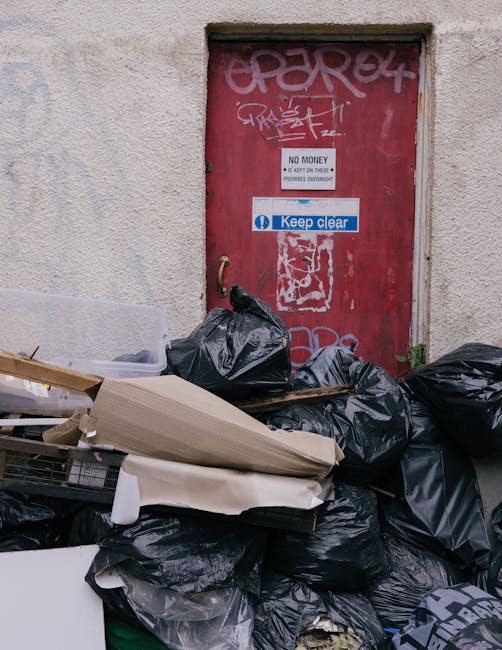
Downham Estate Clearance Checklist for Council Property Rubbish
If you are dealing with a council property, there is usually more to rubbish clearance than dragging a few bags to the kerb and hoping for the best. A proper Downham Estate clearance checklist for council property rubbish helps you sort what can go, what needs special handling, and what should be set aside before a clearance team arrives. That matters whether you are leaving a flat, clearing an inherited home, emptying a garage, or simply trying to get a council property back into a tidy, usable state.
Truth be told, most clearance jobs are not difficult. The trouble starts when items are mixed together, access is tight, or someone assumes the council will take everything. This guide walks you through the practical side of estate clearance, from planning and sorting to compliance, common mistakes, and the most sensible next step if you want the job done cleanly and without drama.
Why Downham Estate clearance checklist for council property rubbish Matters
A council property clearance can look straightforward at first glance, but the details matter. You may be dealing with shared hallways, limited parking, neighbours who need access, and a mix of household items that have been left behind for years. A checklist helps you avoid the classic last-minute scramble where one person is asking, "Is that fridge staying or going?" while another is already halfway down the stairs with a broken wardrobe.
For council property rubbish, the main issue is usually separation. General waste, furniture, electrical items, confidential papers, and anything potentially hazardous should not all be treated the same way. If they are, you can end up with delays, extra handling costs, or items being refused. It is also just kinder to the building itself. Communal areas stay cleaner, and everyone involved has a clearer job to do.
In practical terms, the checklist is there to protect time, money, and peace of mind. If you are managing a tenancy handback, helping family after a move, or preparing a property for inspection, a structured approach saves you from small problems turning into bigger ones.
How Downham Estate clearance checklist for council property rubbish Works
The process is simple once you break it down. Start by identifying what needs removing and whether any items are restricted, bulky, or potentially hazardous. Then separate the rubbish into sensible groups before the clearance date. On the day, the collection is quicker because the heavy lifting has already been thought through.
A good clearance usually follows this order:
- Walk through the property room by room.
- Mark anything that must be kept, recycled, donated, or disposed of separately.
- Set aside paperwork, keys, medication, valuables, and personal photos.
- Check for awkward items such as appliances, mattresses, or damaged furniture.
- Identify anything that may need specialist disposal, including chemical products or old electricals.
- Make sure access routes are clear from the front door to the collection point.
- Confirm the timing so the property can be handed back or cleaned straight after.
If you are dealing with a fuller house rather than a single room, services like house clearance or home clearance can be a more efficient option than trying to shift everything in several small trips. For flats, especially in tighter blocks, flat clearance is often the better fit because access and lift use can be planned properly.
One thing people often forget: the council property may still contain mixed rubbish from several stages of occupation. That means old clutter, moving waste, and everyday household junk may all be sitting together. The checklist brings order to the mess. Simple, but very effective.
Key Benefits and Practical Advantages
Using a checklist is not just about being organised for the sake of it. It changes how the clearance feels and how fast it gets finished.
- Less waste is missed: small items like cables, chargers, drawer contents, and under-bed clutter are easy to overlook.
- Better segregation: separating reusable items, recyclable materials, and general rubbish makes disposal more efficient.
- Safer handling: broken glass, sharp metal, and heavy furniture are easier to manage when identified early.
- Cleaner property handback: the space is more likely to be left in a presentable state for inspections.
- Reduced stress: everyone knows what happens next, which is worth a lot when time is tight.
- More predictable costs: a clearer picture of the load often helps with accurate quoting. See the guidance on pricing and quotes if you want to understand how job size and item type can affect the estimate.
There is also a sustainability angle. A property clearance does not have to be a straight line from front room to landfill. Where suitable, items can be channelled into recycling or responsible reuse routes. If that matters to you, the company's recycling and sustainability page is worth a look.
Expert summary: the best council-property clearances are not the fastest ones on paper; they are the ones where sorting, access, and disposal route are thought through before anyone starts lifting.
Who This Is For and When It Makes Sense
This checklist is useful for a wide range of people, and not all of them are in the same situation. You might be a tenant preparing to move out, a family member helping clear a relative's council home, a landlord working through a tenancy changeover, or a housing officer looking at the practical side of a property handback.
It makes sense when:
- the property needs to be emptied quickly after a move-out;
- there is bulky council property rubbish that cannot be handled in normal bags;
- you are dealing with a flat, maisonette, or estate property with awkward access;
- there are mixed items, such as furniture, appliances, and general junk;
- you want to avoid leaving behind anything that could cause a tenancy issue;
- you need the property made ready for cleaning, repairs, or inspection.
It is also a good fit if the job feels emotionally heavy. That happens more often than people admit. Sorting through someone else's belongings in a council property can be tiring, especially if you are juggling a deadline and a pile of memories. A clear checklist helps you keep moving without making every decision from scratch.
Step-by-Step Guidance
Below is a practical way to handle the clearance without overcomplicating it. You do not need fancy equipment, just a method that works.
1. Start with a room-by-room sweep
Go room by room and do not skip the odd corners. Cupboards, loft hatches, understairs spaces, and behind doors usually hide the things that are hardest to remember later. If there is a loft or storage area involved, loft clearance support can be useful because these spaces tend to contain dust, insulation debris, and very inconvenient boxes.
2. Separate the keep, donate, recycle, and dispose piles
This is the heart of the checklist. If something is useful, keep it. If it can be reused, set it aside. If it belongs in a recycling route, identify it early. Everything else goes into the disposal pile. A tiny bit of discipline here saves a lot of chaos later.
3. Pull out special items early
Fridges, freezers, washing machines, microwaves, and similar items often need specific handling. If you have appliances in the property, check the available route for fridge and appliance removal so they are not mixed with ordinary rubbish. Likewise, broken beds, mattresses, or tired sofas are best separated with the relevant disposal route in mind, such as mattress and sofa disposal.
4. Identify anything confidential
Council properties often contain old letters, tenancy paperwork, bank statements, or medical documents. These should not be tossed into open bags with everything else. If there is sensitive paperwork, confidential shredding is the safer path. It is one of those boring tasks that becomes very important once you are holding a stack of other people's personal information.
5. Check for hazardous or awkward waste
Paint tins, chemicals, aerosols, batteries, and certain cleaning products can require special handling. When in doubt, treat them separately and do not assume they can go with ordinary waste. For anything risky, the company's hazardous waste disposal guidance is the right place to start. That applies even if the item looks small. Small does not always mean simple.
6. Clear access before collection day
Hallways, stairwells, doorways, and parking access matter more than people think. If the team has to spend time manoeuvring around bikes, bins, or furniture left in the way, the whole job slows down. You want a clean path from room to exit, and ideally a clear space outside for loading.
7. Confirm the end state
Decide what "done" means before the work begins. Is the property just being emptied? Does it need to be broom-clean? Are fixtures staying in place? That last bit matters, because people sometimes clear so much that they accidentally remove things that should have remained. A little clarity here avoids awkward conversations later.
Expert Tips for Better Results
In our experience, the easiest clearances are the ones that feel slightly overprepared. Not wildly overprepared. Just enough.
- Photograph each room first. It helps you remember what was there and can settle disputes about what was removed.
- Use coloured bags or labels. Even simple colour-coding makes mixed rubbish easier to process.
- Set aside a "decision box." This is for items you are unsure about. It stops indecision from spreading across the room.
- Take one final sweep of drawers and cupboards. People underestimate how much ends up in the back of a kitchen drawer.
- Plan for awkward weather. A wet day in London can turn the entrance path into a slippery little nuisance. Better to know that before the van arrives.
- Ask about insurance and safety. Especially where large furniture or stair carries are involved. The page on insurance and safety is a sensible read if you want reassurance on handling standards.
A small but useful habit: keep one bag for random items that do not belong in the main categories. Think loose screws, batteries you find in a drawer, old remotes, or a charger from a phone nobody owns anymore. That tiny bag can save a lot of second-guessing.
Common Mistakes to Avoid
Most problems during council property rubbish clearance come from a few repeat mistakes. The good news is they are easy to sidestep once you know what they look like.
- Leaving sorting until the day of collection. This always feels manageable until it isn't.
- Mixing general rubbish with special waste. One wrong bag can slow the whole load.
- Forgetting lofts, sheds, garages, or balconies. These spaces hide more than people expect. If a garage is involved, garage clearance may be the practical route.
- Assuming every item can be lifted together. Heavy furniture, old appliances, and sharp waste need different handling.
- Not checking access. A blocked stairwell or parked car outside can create avoidable delays.
- Ignoring paperwork and valuables. It sounds obvious, but it happens constantly.
- Booking too late. If a tenancy end date is fixed, last-minute clearances get stressful very quickly.
One more thing: do not let the property become a staging ground for "I'll decide later." Later usually arrives when the skip or collection team is already waiting. Not ideal.
Tools, Resources and Recommendations
You do not need a warehouse full of gear, but a few basics make the process smoother.
- Heavy-duty sacks for general rubbish and loose items.
- Marker pens and labels for sorting categories.
- Gloves and sturdy shoes for safety, especially with broken items.
- Tape or straps for bundled materials and loose drawers.
- Cleaning cloths or bin liners for the final sweep.
- Mobile phone camera for before-and-after checks.
If you are deciding between doing it yourself and getting help, the service pages can be useful for matching the job to the right type of clearance. For example, furniture clearance suits bulky household items, while builders waste clearance is better where the property includes renovation debris or materials from repair work. If it is more of an office handover situation, office clearance is the closer fit.
For people who want a simple way to book a collection once the sorting is done, the site's book online option is a useful next step. If you are still working out scope, the main waste removal service overview can help frame the job properly.
Law, Compliance, Standards, or Best Practice
When council property rubbish is involved, it is wise to follow normal UK waste-handling best practice. That does not mean you need to become a legal expert overnight. It means being careful about what leaves the property, how it is separated, and who takes responsibility for it.
In simple terms, you should make sure waste is passed to a properly managed route and not left in shared areas, dumped on the estate, or mixed up in a way that creates risk. That matters for safety, appearance, and environmental responsibility. If something may be hazardous, it should be treated as such rather than guessed at. If paperwork is sensitive, it should be destroyed securely rather than left in an open sack.
Best practice also means keeping an eye on the property handback standard. For a council tenancy or managed property, the aim is usually to leave the space clear, accessible, and free of personal rubbish. Some arrangements may ask for more, some less. So, check the specific handback expectation rather than assuming.
The company's policy pages can help reassure you on general standards too, especially health and safety policy and terms and conditions. Those are not thrilling bedtime reading, granted, but they do matter when you want to know how work is handled.
Options, Methods, or Comparison Table
There is more than one way to clear a council property. The right choice depends on time, volume, access, and how mixed the waste is.
| Method | Best for | Pros | Watch-outs |
|---|---|---|---|
| Self-clearance | Small volumes, simple loads | Good control, can be low-cost | Time-consuming, physical effort, disposal rules still apply |
| Skip-based clearance | Mixed bulky waste over a longer period | Handy if the property is being emptied over several days | Space, permits, and item restrictions may apply; check what can go in a skip |
| Man-and-van style clearance | Fast one-off removals | Convenient, flexible, less lifting for you | Need accurate item list and access details |
| Specialist item removal | Appliances, mattresses, sofas, sensitive waste | Better handling for awkward or regulated items | May need separate booking or categorisation |
For smaller clearances, self-clearance can work fine. But once the job includes stairs, communal access, heavy items, or a dead fridge that seems to have grown roots in the kitchen, professional help is usually the calmer option. That is just life, really.
Case Study or Real-World Example
A typical example is a two-bedroom council flat on an estate where the tenant had moved out but left behind a mix of furniture, bagged rubbish, a broken microwave, and a few drawers full of odds and ends. The family helping with the property thought it would take one van load. It turned into a fuller job once they opened the cupboard under the sink and found old cleaning products, paperwork, and a half-used stack of storage boxes.
They started with the checklist: keep, recycle, dispose, and specialist items. The mattress was separated, the microwave was set aside with the electricals, and the paperwork went into a separate secure bag. Hallway access was cleared before collection, which made loading much easier. By the end, the flat was left clear enough for cleaning and inspection without the family having to make three exhausting trips back and forth.
That kind of job is common. It is rarely one giant pile in one room. More often, it is lots of small things spread across a property. The checklist turns that into a sequence rather than a panic.
Practical Checklist
Use this as a straightforward final check before collection or handback.
- Walk through every room, cupboard, and storage space.
- Remove valuables, keys, cash, and personal documents.
- Separate general rubbish from bulky items.
- Set aside fridges, freezers, washers, and other appliances.
- Identify any hazardous waste or suspicious containers.
- Sort sofas, mattresses, and worn furniture into their own pile.
- Clear confidential papers for shredding.
- Check lofts, garages, sheds, balconies, and communal storage.
- Keep exits, stairs, and corridors free from obstacles.
- Photograph the property before and after clearance.
- Confirm any handback or inspection deadline.
- Review pricing and scope before booking, especially if the job may expand.
If the property includes a mix of household clutter and larger items, you may also find it helpful to review furniture disposal and related service pages so the sort order feels less guesswork and more common sense.
Conclusion
A good Downham Estate clearance checklist for council property rubbish is really about making a messy situation manageable. It helps you decide what stays, what goes, and what needs special treatment before anyone starts carrying bags downstairs. The result is a cleaner handback, fewer surprises, and a job that feels far less overwhelming.
Whether you are clearing a flat after a move, dealing with an inherited property, or trying to get a council home ready for inspection, the same principles apply: sort early, separate carefully, and plan access. Simple things, but they make a big difference. And if you are standing in a half-empty room with one last pile by the door, that final push really does matter.
Get a free quote today and see how much you can save.
When you are ready, take a breath, work through the list, and handle it one step at a time. It will come together.
Frequently Asked Questions
What should be included in a council property rubbish clearance checklist?
It should cover valuables, documents, bulky furniture, electrical items, general rubbish, hazardous materials, and any items that need separate handling. You should also include access checks and final handback preparation.
Do I need to sort rubbish before a clearance team arrives?
Yes, ideally. Sorting in advance helps the clearance go faster and reduces the chance of items being missed or mixed with waste that needs special handling.
Can old furniture be taken from a Downham Estate council property?
Usually, yes, provided it is booked into the correct clearance route. Furniture often needs to be separated from general rubbish so it can be handled properly.
What happens to fridges and washing machines?
Appliances are usually treated differently from ordinary waste. They should be set aside for proper appliance removal rather than mixed with general rubbish.
Is mattress disposal treated differently from other rubbish?
Often, yes. Mattresses and sofas are bulky and can require separate handling. It is best to keep them in their own category during the checklist stage.
What if I find personal paperwork during the clearance?
Set it aside for confidential shredding or secure destruction. Do not put sensitive documents in with open general waste if you can avoid it.
How do I know if something counts as hazardous waste?
If it is a chemical product, aerosol, paint, battery, or similar item that could cause harm, treat it cautiously and keep it separate. When unsure, do not guess.
Can I clear a council property myself instead of booking help?
Yes, if the load is small and access is straightforward. But if there are heavy items, lots of rubbish, or a deadline, professional support is usually easier and safer.
What is the best way to prepare a flat in a council estate for clearance?
Start with room-by-room sorting, remove valuables, keep access clear, and separate bulky items early. Flats often benefit from a dedicated flat clearance approach because stairs and communal spaces can be tight.
How do I avoid missing rubbish in cupboards and storage areas?
Use a room-by-room checklist and physically open every cupboard, drawer, loft hatch, and storage nook. That is where the forgotten items tend to live.
Will the clearance help with handback to the council?
It can, if it is done carefully and the property is left clear of personal rubbish. The exact handback standard depends on the specific arrangement, so check expectations early.
What is the quickest way to get a quote for council property rubbish removal?
List the main rooms, bulky items, and any special waste first. Then use the pricing and booking pages to get a clearer estimate based on the actual scope of work.