Health and Safety Policy for Commercial Waste Removal Downham
 This Health and Safety Policy sets out the principles and working practices for commercial waste removal in Downham and associated rubbish collection operations carried out by our teams. It applies to all staff, contractors and third parties engaged in the provision of commercial waste and rubbish removal services across our service area. The purpose of this policy is to protect the health, safety and welfare of employees, clients, members of the public and the environment while ensuring compliant and efficient waste handling and transport.
Our commitment is to maintain a safe workplace through regular risk assessments, safe systems of work, and adequate training. The policy covers site-based collection, vehicle loading and transport, landfill and recycling transfers, and on-site skip management. All operatives must follow this policy when performing Downham commercial waste removal and any associated duties.
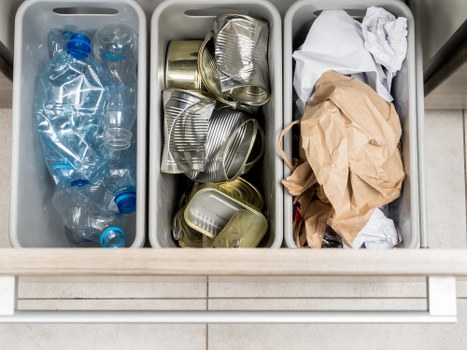 Scope and responsibilities — Management is responsible for setting health and safety standards and providing the resources necessary to implement them. Supervisors will ensure that daily operations comply with risk control measures specific to local collection points, business premises and communal rubbish areas. Employees must follow procedures, report hazards, and use the provided personal protective equipment (PPE) at all times during waste removal tasks.
Risk assessment is central to safe waste removal. Site-specific assessments must be completed before work starts, including identification of slip, trip and fall risks, manual handling and hazardous materials. For commercial rubbish removal Downham teams, particular attention must be given to the condition of loading bays, vehicle access, confined spaces and uneven surfaces that may affect lifting and tipping operations.
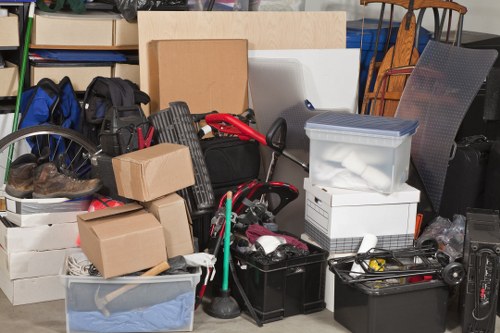 Training and competence — All staff engaged in waste collection and removal will receive induction training and refresher sessions covering:
- Safe manual handling techniques and mechanical lifting aids;
- Correct use and maintenance of PPE such as gloves, hi-vis clothing, steel-toe boots and eye protection;
- Vehicle loading, securement and weight distribution to prevent incidents in transit;
- Segregation and handling of hazardous or specialist wastes.
Vehicles and equipment are maintained to a high standard with scheduled inspections and maintenance records. Drivers must perform daily vehicle checks and report defects immediately. Safe operation of compactors, tail lifts, and forklifts is mandatory only by trained personnel. Our mechanical and manual equipment protocols aim to minimise the risk of injury during routine commercial waste removal operations.
Safe working procedures emphasise the hierarchy of control: eliminate hazards where possible, substitute safer methods, apply engineering controls, use administrative controls, and ensure appropriate PPE. Specific procedures include correct waste segregation, secure containment of loose rubbish, and safe loading/unloading methods to avoid over-exertion and falling objects during rubbish pickup and waste transport.
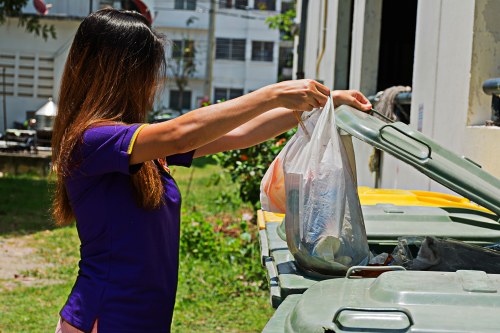 Emergency response and incident management — All incidents, near-misses and injuries must be reported immediately and recorded. The company maintains clear emergency procedures for spills, fires, vehicle collisions and exposures to hazardous substances. First aid provision and emergency contact steps are available on site, and incident investigations will identify root causes and corrective actions to prevent recurrence.
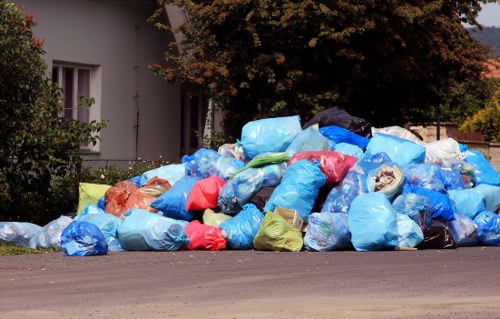 Contractor control and visiting operatives — Contractors or temporary staff engaged for commercial rubbish clearance and recycling activities must comply with this policy and demonstrate equivalent health and safety standards. They shall provide evidence of training, risk assessments and appropriate insurances before commencing work. Supervisors will coordinate tasks to avoid conflicting activities and ensure cooperation between parties when carrying out multi-operator removals.
Hazardous materials and specialist wastes
Handling of hazardous wastes such as asbestos, batteries, solvents or contaminated materials requires specialist procedures and licensing. When identified during routine collections, such materials will be isolated and incident-managed in line with regulatory requirements and our operational procedures. Staff must never assume unknown waste is safe to handle without appropriate assessment.Monitoring, audit and continuous improvement
We commit to regular audits of health and safety performance, including site inspections, vehicle checks and review of incident trends. Performance indicators include incident frequency, training completion rates and equipment maintenance compliance. Results will inform improvements to safe working procedures for the commercial waste removal service across our operational area.Hygiene and wellbeing are emphasised: operatives should use hygiene facilities provided, wash hands after handling waste, and follow vaccination or medical guidance when exposed to biological hazards. The organisation supports reporting of health concerns and will provide access to occupational health where required.
Responsibilities summary — Management: provide resources, set standards and review compliance. Supervisors: enforce procedures, maintain records and ensure visible leadership. Employees: follow instructions, use PPE and report hazards. Together we ensure safer commercial refuse and rubbish removal throughout our service area.
Policy review — This Health and Safety Policy will be reviewed at regular intervals, or following significant change, incident or regulatory update. Updates will be implemented and communicated to all staff to sustain a robust safety culture within our commercial waste removal operations.
Commitment — We are committed to continual improvement of health and safety practices for all aspects of waste removal and rubbish collection. Maintaining safe systems of work protects people, property and the environment while delivering reliable commercial waste removal Downham clients can depend on.